#30YearTreasuryYieldBreaks5%
#30YearTreasuryYieldBreaks5%
The move of the U.S. 30-year bond rate back above 5% is seen inside the market as a very big break sign. Because this level is not only a chart mark; it also turned into a mental edge that can shift global fund flow.
In the recent data flow, the 30-year U.S. bond yield rose up to 5.12%. This is one of the high zones seen since 2007. Fears of price growth, high public debt, and energy price pressure in particular sped up bond selling.
The market now gives a very clear note:
“Holding long-term U.S. debt now asks for a higher yield.”
The main reasons behind this:
• Fear of high price growth • Rise in the U.S. budget gap • Steady new bond supply • Energy pressure tied to the Middle East • Weak faith in Fed rate cuts
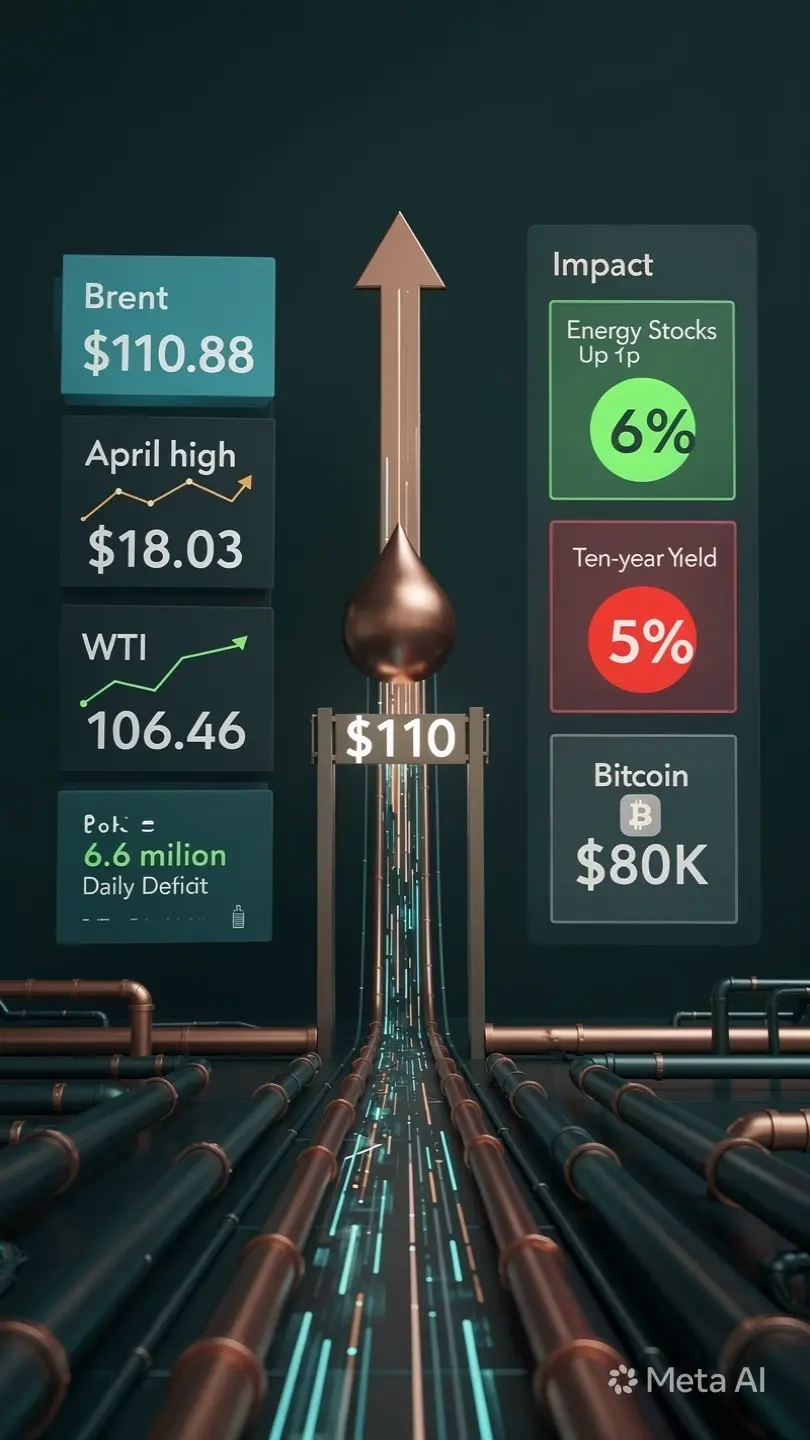
After the Iran strain, oil prices rose and made price growth pressure bigger again. This led to hard selling on the bond side.
Why does this move hold weight?
Because the U.S. 30-year bond rate has a direct pull on:
• home loan rates • firm credit costs • tech shares • gold prices • global risk mood
When the rate goes up, money shifts to safer havens. So high-value tech shares in particular can feel pressure. In recent days, the swing size on the Nasdaq side shows this effect in a clear way.
One more key point:
The market no longer looks for fast rate cuts from the Fed side. In some pricing, talk of an extra rate hike even began. This turned into the main factor that lifts long-term bond yields.
My view goes this way:
If the 30-year rate stays above 5% for a long time:
• Pressure on risky assets can grow • Pullbacks in tech shares can go deeper • Dollar strength can hold • Hard swings can form on the gold and crypto side
Yet the same process can also form new chances over the long run. Because high bond yields turn back into a draw for large funds. So in the time ahead, fund shifts can be the main factor that sets market direction.
Right now, one of the most key topics for the global finance world is surely the U.S. 30-year bond rate.
#30YearTreasuryYieldBreaks5%
The move of the U.S. 30-year bond rate back above 5% is seen inside the market as a very big break sign. Because this level is not only a chart mark; it also turned into a mental edge that can shift global fund flow.
In the recent data flow, the 30-year U.S. bond yield rose up to 5.12%. This is one of the high zones seen since 2007. Fears of price growth, high public debt, and energy price pressure in particular sped up bond selling.
The market now gives a very clear note:
“Holding long-term U.S. debt now asks for a higher yield.”
The main reasons behind this:
• Fear of high price growth • Rise in the U.S. budget gap • Steady new bond supply • Energy pressure tied to the Middle East • Weak faith in Fed rate cuts
After the Iran strain, oil prices rose and made price growth pressure bigger again. This led to hard selling on the bond side.
Why does this move hold weight?
Because the U.S. 30-year bond rate has a direct pull on:
• home loan rates • firm credit costs • tech shares • gold prices • global risk mood
When the rate goes up, money shifts to safer havens. So high-value tech shares in particular can feel pressure. In recent days, the swing size on the Nasdaq side shows this effect in a clear way.
One more key point:
The market no longer looks for fast rate cuts from the Fed side. In some pricing, talk of an extra rate hike even began. This turned into the main factor that lifts long-term bond yields.
My view goes this way:
If the 30-year rate stays above 5% for a long time:
• Pressure on risky assets can grow • Pullbacks in tech shares can go deeper • Dollar strength can hold • Hard swings can form on the gold and crypto side
Yet the same process can also form new chances over the long run. Because high bond yields turn back into a draw for large funds. So in the time ahead, fund shifts can be the main factor that sets market direction.
Right now, one of the most key topics for the global finance world is surely the U.S. 30-year bond rate.